Empowering Independence With Assistive Innovation for the Blind
The combination of assistive modern technology for individuals who are blind or visually damaged represents a substantial innovation in fostering self-reliance and enhancing lifestyle. With a series of tools-- from display readers to cutting-edge responsive devices-- these innovations not just help with navigating and interaction however also advertise social addition and involvement in different elements of life. As we explore the diverse types of assistive devices and their real-world applications, it becomes clear that the effect is extensive. The development of this technology increases vital questions regarding availability and future advancements that warrant more exam.
Recognizing Assistive Technology
Although assistive innovation has evolved significantly over the years, its basic objective stays the same: to improve the lifestyle for people with specials needs, particularly those who are aesthetically damaged or blind. This innovation includes a wide variety of tools and tools that facilitate freedom and capability in day-to-day tasks.
Assistive innovation can be categorized into low-tech and sophisticated services, each created to satisfy certain demands. High-tech devices typically include software applications, specialized equipment, and adaptive devices that utilize sophisticated innovation to give assistance in different contexts. Conversely, low-tech remedies might include everyday things that are changed to enhance access, such as magnifiers or tactile pens.
The combination of assistive modern technology into the lives of individuals who are blind or visually impaired not only advertises autonomy but likewise promotes social incorporation and involvement in educational and specialist environments. By leveraging these technologies, customers can browse their environments, gain access to information, and interact successfully, consequently improving their overall high quality of life. Understanding assistive modern technology is crucial for caregivers, advocates, and experts who aim to support individuals in optimizing their potential and attaining higher self-reliance.
Kinds Of Assistive Tools
Assistive tools for the aesthetically impaired and blind are crucial tools that improve daily obeying attending to details difficulties run into by individuals. These devices can be broadly categorized right into three primary types: optical gadgets, electronic tools, and sensory gadgets.

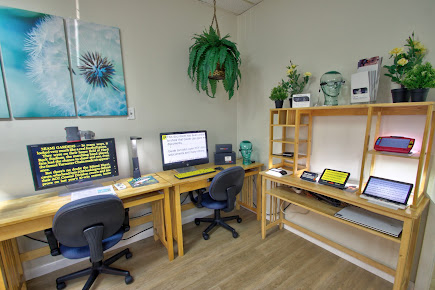
Sensory gadgets, such as Braille displays and responsive maps, provide alternate ways to receive details. Braille shows transform digital message right into Braille, allowing customers to review touch. Tactile maps offer spatial understanding with raised lines and structures, permitting much better ecological understanding.
Together, these assistive devices empower people with aesthetic problems to engage even more completely with their surroundings, advertising higher independence and confidence in everyday activities.
Influence on Day-to-day Live
The combination of assistive innovation right into the lives of individuals that are visually damaged or blind dramatically boosts their ability to communicate and browse with the world around them. Devices such as display viewers, Braille presents, and mobile applications assist in access to details, permitting individuals to involve with electronic material, interact effectively, and manage everyday jobs individually.
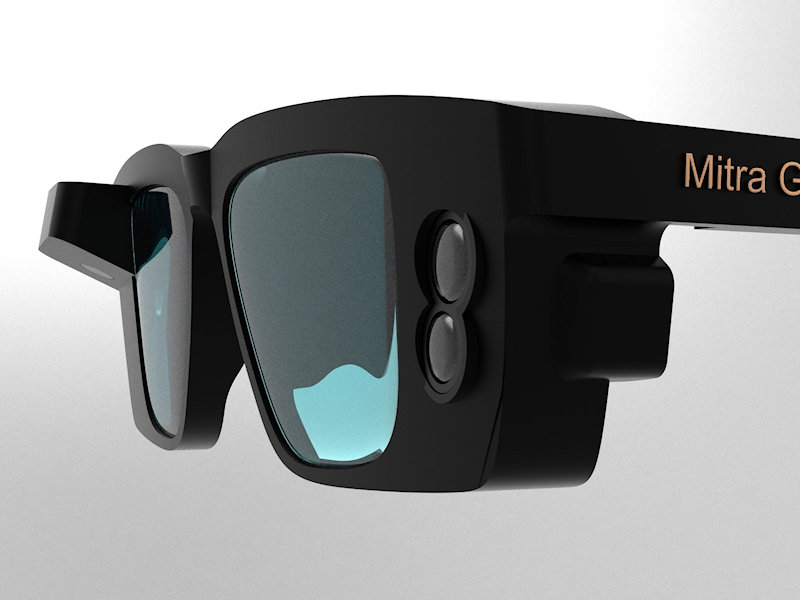
Moreover, innovations like wise glasses and navigation Continue applications supply real-time assistance in unknown atmospheres, enhancing flexibility and self-confidence. These devices make it possible for customers to identify barriers, reviewed indicators, and also identify faces, thus promoting a feeling of autonomy in public spaces. In addition, home automation systems, which can be regulated via voice commands, permit people to manage their living environments better, boosting convenience and safety and security.
The influence of assistive modern technology prolongs beyond functional tasks; it advertises social incorporation and psychological well-being. By connecting the gap in between people and their surroundings, these modern technologies empower customers to take part totally in area activities, seek educational chances, and engage in purposeful relationships. Inevitably, the innovation of assistive modern technology contributes in redefining eyeglass center the opportunities for people that are blind or aesthetically impaired, leading to a more easily accessible and inclusive culture.
Success Stories and Testimonials

An additional powerful endorsement comes from Mark, a recent college grad that made use of display analysis software throughout his scholastic journey. This technology enabled him to access program products and take part in discussions, eventually leading to his successful shift right into the workforce. Mark credits assistive technology for empowering him to attain his profession objectives, stressing its function in leveling the having fun area for people with aesthetic impairments.
Furthermore, area facilities have reported enhanced participation in their programs thanks to the intro of available digital systems. These platforms have made it easier for individuals to connect, share resources, and support one another. These success tales jointly emphasize the profound impact of assistive innovation in fostering independence, improving top quality of life, and damaging down obstacles for the blind and aesthetically impaired neighborhood.
Future Fads in Assistive Tech
Arising modern technologies are poised to reinvent the landscape of assistive technology for individuals that are aesthetically impaired or blind. Innovations in artificial intelligence (AI) and equipment learning are improving the capacities of devices, allowing more instinctive user experiences. As an example, AI-driven applications are increasingly able to acknowledge objects and review message out loud in real-time, offering users with important information about their surroundings.
Additionally, innovations in wearable innovation are producing brand-new possibilities for self-reliance. Smart glasses equipped with increased reality features can overlay critical information onto the customer's field of vision, assisting in navigation and communication with the setting. The combination of Net of Things (IoT) gadgets is improving availability in clever homes, allowing users to manage appliances and get notices through voice commands or tactile user interfaces.
The development of braille displays and responsive feedback systems is additionally rising, promoting accessibility to digital web content and improving communication. As these modern technologies remain to progress, they guarantee to boost day-to-day living, academic chances, and work leads for people with visual impairments. Constant cooperation in between technologists, customers, and advocacy groups will certainly be essential in making certain these technologies fulfill the needs of the community efficiently.
Final Thought
To conclude, assistive modern technology plays a critical duty in boosting the freedom of individuals who are visually damaged or blind. By providing vital devices and resources, these modern technologies assist in boosted gain access to, communication, and navigating to information, thereby cultivating autonomy and self-esteem. The transformative effect of assistive gadgets not just advertises efficient interaction with the environment yet also encourages social incorporation and participation in various elements of life, ultimately encouraging users to flourish within their communities.
The integration of assistive modern technology for individuals that are visually damaged or blind stands for a considerable innovation in cultivating self-reliance and improving high quality of life.The combination of assistive technology right into the lives of people who are blind or visually hindered not just advertises autonomy however also cultivates social addition and participation in specialist and academic settings. Inevitably, the innovation of assistive modern technology is critical in redefining the opportunities for individuals that are blind or aesthetically impaired, leading to a more easily accessible and inclusive society.
Many people who are aesthetically damaged or blind have actually shared motivating success stories that highlight the transformative influence of assistive modern technology on their lives.In final thought, assistive technology plays a pivotal role in improving the independence of people that are visually damaged or blind.